Enterprise software & applied AI research
Systems built for judgment, not just automation.
We design high-performance software architecture and publish rigorous research on how organizations deploy AI responsibly — so intelligent systems sharpen human decisions instead of replacing them.
03
Failure modes identified in AI-assisted decision-making
4
Domains studied — medicine, driving, finance, content review
Software architecture
Scalable, resilient cloud infrastructure built for enterprise performance and long-term maintainability.
Responsible AI oversight
Evaluating automation safety to reduce cognitive bias, over-reliance, and misuse in decision-critical settings.
Scientific research
Empirical studies on human-computer interaction, cognitive traps, and technology policy.
Scientific publication & press release
The real danger is not artificial intelligence but human stupidity
An analytical study of AI misuse and human decision-making
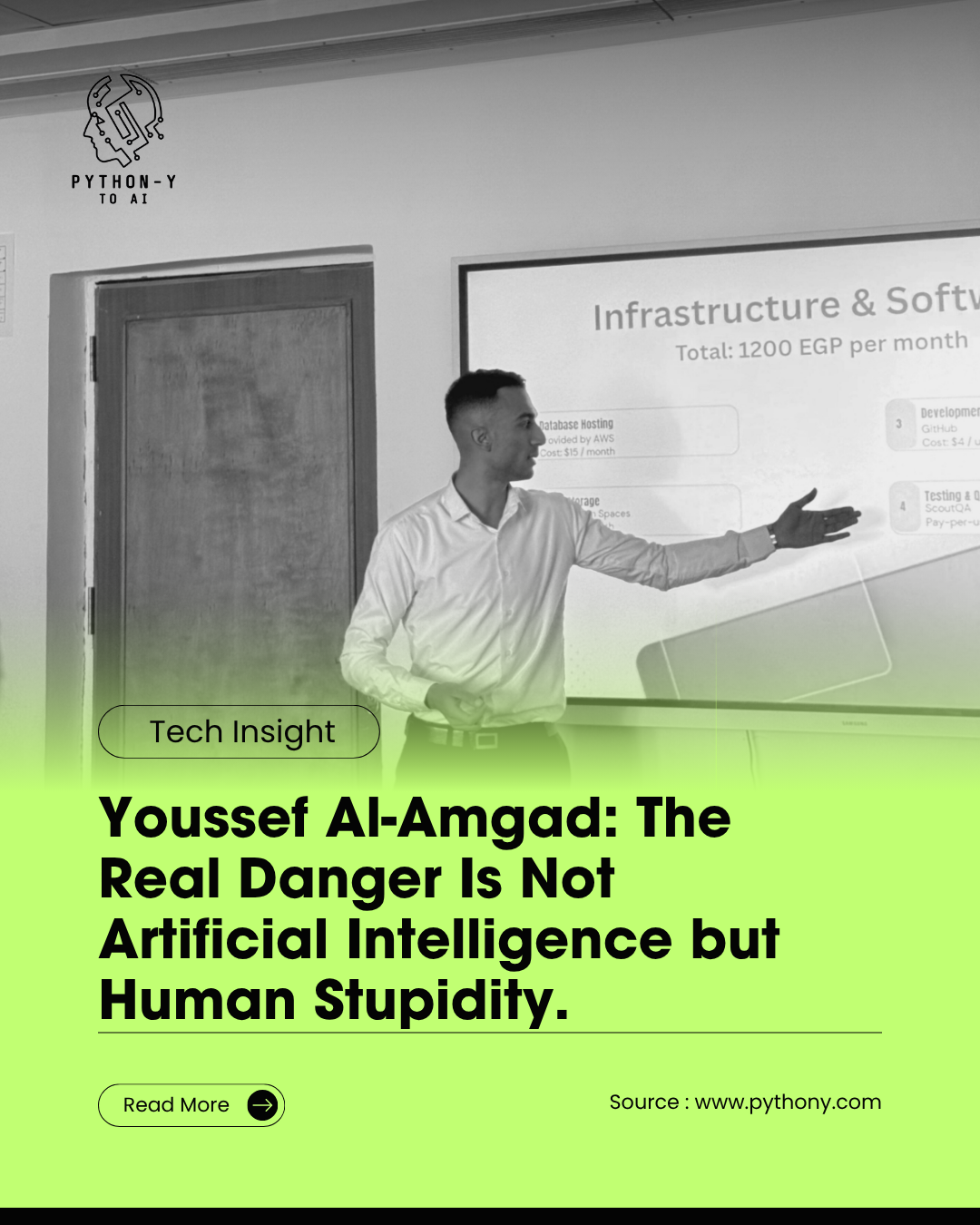
Figure 1 — Visualizing the gap between automated output and verified human judgment.
As artificial intelligence capabilities accelerate, popular media frequently focuses on existential threats posed by autonomous superintelligence. Our empirical analysis finds a more immediate vulnerability: human decision-making itself, shaped by automation bias, thin domain verification, and intellectual complacency.
Executive abstract
This paper examines a shift already underway in technology adoption. Drawing on case studies across medical diagnostics, autonomous driving, financial modeling, and algorithmic content evaluation, it identifies three recurring failure modes in AI integration.
Automation bias
Operators tend to trust machine outputs even when contradicted by clear evidence in front of them.
Cognitive atrophy
Passive reliance on automated tools gradually erodes the expertise needed to catch their mistakes.
Misplaced responsibility
AI systems are used as liability scapegoats for negligence or poorly verified operational decisions.
Executive summary
Research brief: key insights
Prepared by Youssef · Python-Y Applied Research & AI Ethics Division
Primary conclusion
AI acts as a force multiplier for human intent. Paired with negligence or a lack of subject-matter oversight, it magnifies human error rather than correcting it.
Strategic recommendation
Organizations should require human-in-the-loop verification protocols rather than treating AI outputs as authoritative on their own.
Core actionable takeaways
- Human verification — validate critical algorithmic decisions with domain expertise before acting on them.
- Clear accountability — define legal and operational ownership before deploying LLM and machine-learning models.
- Continuous oversight — audit automated outputs against standard evaluation guidelines on a regular cadence.